Miami, Florida · Serving associations since 1988
Community association attorneys for boards, not owners.
Perez-Siam & Associates represents condo associations, HOAs and co-op boards across Miami-Dade: collections, violations, contracts, governing documents and meetings.
Start here
What is happening at your association?
You do not need to know the legal term for your problem. Pick the situation closest to yours and we will tell you what it usually means and how we handle it.
An owner stopped paying assessments
- What it usually means
- This is a delinquent assessment situation. Florida law gives associations specific collection tools, but they have to be used in the right order and the right way, or the owner gains a defense.
- What we do
- We send a compliant demand letter, file a lien if the owner does not respond, and pursue foreclosure or a money judgment if that becomes necessary. We also handle any bankruptcy filed by the owner along the way.
An owner is breaking the rules
- What it usually means
- This is a covenant or rule violation. The notice has to cite the right provision in your governing documents and follow your own enforcement procedure, or it will not hold up if challenged.
- What we do
- We draft a clear violation notice, confirm the required process was followed, and advise on fines, suspensions, or legal action if it comes to that.
Our governing documents are old or unclear
- What it usually means
- Older declarations can run into Florida's Marketable Record Title Act, which can quietly extinguish restrictions that were never formally preserved. If your documents predate a certain window, this is worth checking before you rely on them.
- What we do
- We review your declaration and the public record, tell you what MRTA may have affected, and outline how to revitalize or reaffirm anything that has lapsed.
We need to change our documents
- What it usually means
- Amending a declaration or a set of restrictions involves specific approval thresholds, voting procedures, and recording requirements set out in your own documents and in state law.
- What we do
- We draft the amendment language, guide the membership through the approval process, and handle recording so the changes are enforceable.
A vendor is not performing, or the contract looks bad
- What it usually means
- Vendor agreements for maintenance, landscaping, security, or repairs often carry one-sided terms that only surface once something goes wrong.
- What we do
- We review or draft the contract, negotiate terms that protect the association, and step in if a dispute needs mediation, arbitration, or litigation.
A unit is in foreclosure
- What it usually means
- When a lender forecloses on an owner, the association's lien and assessment claims have to be asserted correctly to be protected in the proceeding.
- What we do
- We communicate with lenders and their counsel, enforce the association's lien rights, and represent the association if it is named in the case.
A lender wants a letter before closing
- What it usually means
- Banks financing a unit purchase often require a formal opinion letter confirming the association's legal standing and authority before they will fund the loan.
- What we do
- We review your governing documents and financial standing, then prepare an opinion letter that meets the lender's requirements.
We need a lawyer in the room at meetings
- What it usually means
- Regular board meetings and urgent special meetings both come with legal exposure, from contract votes to compliance questions that need an answer in real time.
- What we do
- We attend board and special board meetings, advise on the spot, and follow up in writing on anything that needs it.
We are in a dispute with an owner
- What it usually means
- Disputes between an association and a unit owner or homeowner can often be resolved without a lawsuit, but only if someone assesses the legal merits early.
- What we do
- We advise on mediation and negotiation options, and represent the association in litigation if a resolution cannot be reached.
Who we represent
One client type: the association itself, through its board.
Since 1988
A family practice, not a firm you get lost in.
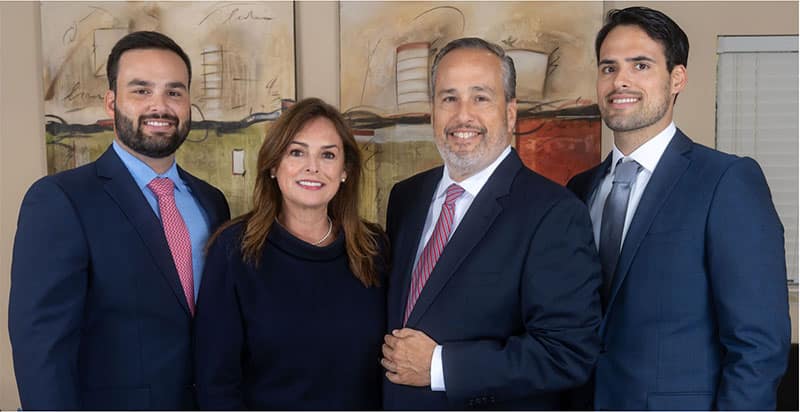
Frank Perez-Siam Sr. started this firm in 1988. His sons, Frank Jr. and Gabriel, joined as attorneys in 2021 and 2022. Vivian Perez-Siam runs the office. That continuity means the person who took your call last year is still the person picking up this year, and your board is not being billed to re-explain its own history to a rotating cast of associates.



What we handle
The full shape of what we do
Fourteen practice areas, grouped into four things a board actually deals with.
Money
Getting the association paid: assessment collection, foreclosures and the letters lenders need before closing.
Enforcement
Holding owners and vendors to the rules and the contracts they already agreed to.
Documents
Reading, correcting and updating the declarations and restrictions the association runs on.
Meetings
A lawyer in the room for regular and special board meetings, on the record.
Talk to your board's attorney
Tell us what is going on. We will point you to the right next step, whether that is a phone call, a document review or a formal engagement.